#149. Power Reserve (Tuesday, August 31, 1999)
What was your best day…of caring way too much about something?
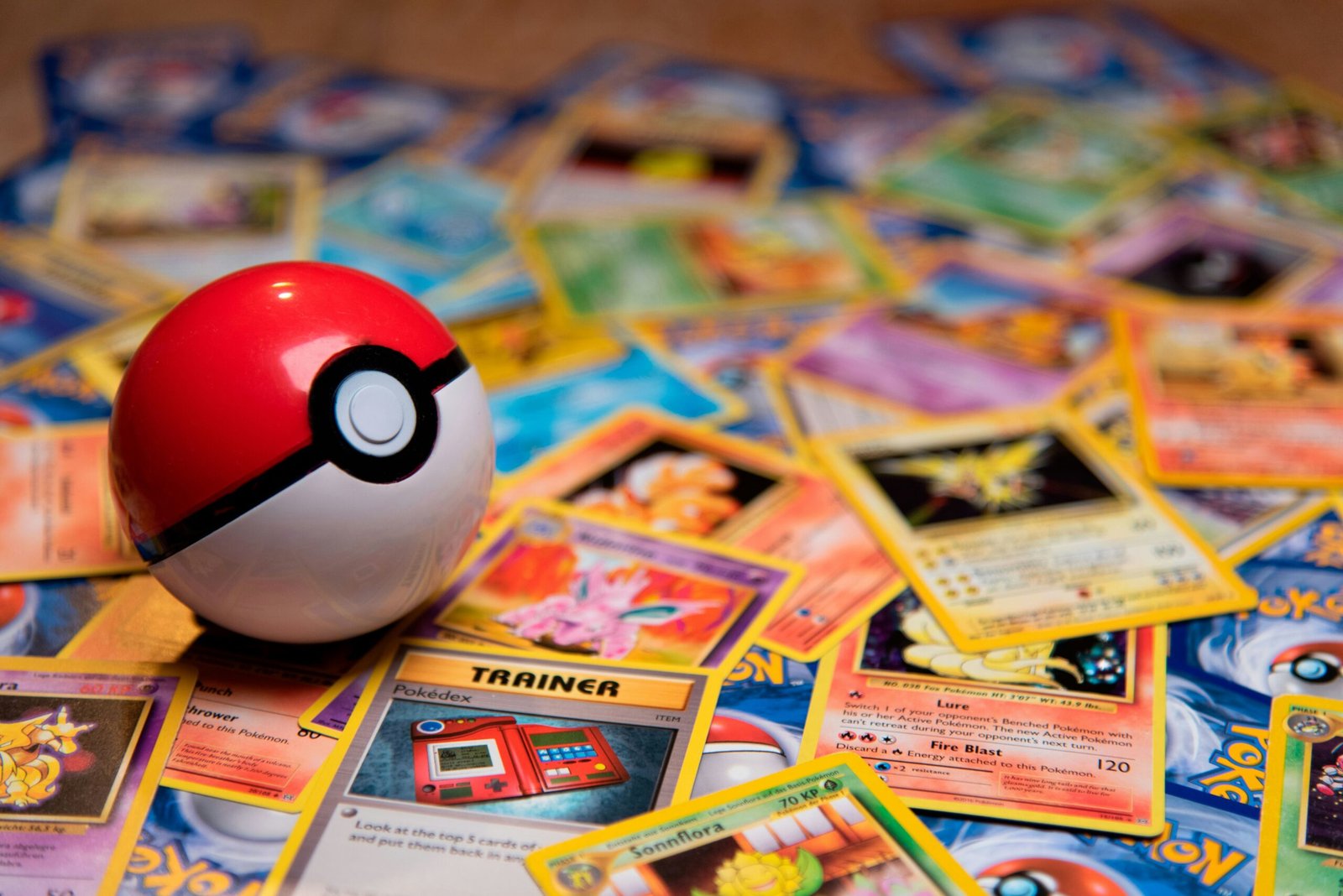
I know we touched on it in #92, but the unique hold the Pokémon TCG had on kids in late 1999 deserves a story of its own.
The once-in-a-generation status of Pokémon cards could only have come about from a miraculous convergence of factors:
- The sheer scarcity of Pokémon cards relative to the enormous public interest. There were only 150 Pokémon to collect—and only 115 represented in card form before Fossil came out in October (#92)—so owning a card of a Pokémon felt like you definitively owned that Pokémon.
- The cards themselves were hard to get. They were constantly selling out, and we were kids with limited money of our own. A booster pack was a luxury: every card you owned felt like a precious resource.
- They were connected to a mainstream video game and anime, while forming an actual playable card game—one that, in my view, was surprisingly well designed and strategically deep. That gave the cardboard itself a resonance beyond simple collecting.
- Finally, the cards themselves had this strange retro, minimalist, slightly campy personality. The frame was crude, the text boxes oddly proportioned, and complicated cards could end up with barely readable rules text. The faded colors looked a little tacky and the numbers stood out too strongly. Yet somehow all of it combined into an object that felt unmistakably real—like owning one meant possessing something important.
It was at sports camp in August where all of this first hit me. I owned no Pokémon cards at the time and barely understood the franchise besides a handful of anime episodes I’d watched. But outside the sports (very much an afterthought), the centerpiece of the camp was the breaks and lunch hour—where every one of us gathered on the platforms by the side of the curling arena to trade cards, and battle cards, and trade cards again. Every day I’d see a few cards I had never seen before—our teenage counselor supplied many of them—and each new one, with its evocative artwork and instantly legible numbers, gave me that unconscious holy shit, this is cool feeling.
So, after the last day of sports camp, my mom bought me the Power Reserve theme deck, for the latest Jungle expansion. It was a full sixty cards, with a holographic Kangaskhan that I treasured immensely (until I traded it away for scraps a few weeks into the school year), and a fresh, distinct factory scent. But almost as special was seeing the full card list for the first time—and the names of the only four Pokémon cards I still hadn’t seen: Chansey, Electabuzz, Snorlax, and Victreebel.1 There was just a mythical quality to all this.
Later in the summer, I have a dedicated trading session with my best friend Harry Liu (#92), essentially swapping the duplicates from his Base Set Starter deck for mine—with us nearly pulling off a trade of my ace (Kangaskhan) for his ace (Machamp).2 A few days later, my dad tells me3 that Yahoo! (the default gateway to the internet in 1999) has an “Auctions” page where I can see images of Pokémon cards myself. So, for the rest of the summer, I pored over the card text of every Pokémon I knew—while finally seeing the mythical Chansey, Victreebel, and Snorlax cards in the (pixellated) flesh.
This last night of August is the last day of summer vacation. School starts tomorrow. And Harry and I, along with our moms and his grandparents, decide to go together for a walk. Not far—just five minutes to the local Nepean City Hall and library, then around the fountain / winter skating rink next to it. And during the hour or two Harry and I spend walking around that fountain, my Pokemon obsession hits its peak. We talk through many of the 115 cards in detail, which ones are strong, which ones are not4, which ones we could realistically get our hands on through trading at school.
And that’s the kicker: school. Tomorrow we’re returning to a community where we’ll be talking Pokémon, playing Pokémon, and trading Pokémon with hundreds of other kids who are just as invested as we are. Kids who’ve had an entire summer to build their own collections, show them off, and turn them into trading pieces in the uniquely coherent, life-or-death-feeling economy of the schoolyard Pokémon ecosystem. We were ready for the full blast.
And while it wouldn’t last (#92), for that first day and those first few weeks, it delivered.
- I hadn’t seen the famous Charizard before either, but thankfully the first page of the rulebook used it as the example card. Good call.
- Even arranging the meeting became an ordeal. One of our calls got interrupted when my fifteen-month-old brother threw a container of multivitamins into the trash and my grandparents reacted like a natural disaster had occurred. I also got a vaguely threatening prank call from someone Harry later told me had traded him a beat-up Gyarados for three cards and my phone number.
- I actually knew about the page already. I was just afraid that visting an auction would somehow commit me to buying the card. My dad assured me this was impossible since I didn’t have a credit card.
- Harry reassured me that Electabuzz, the only one I hadn’t seen, was trash—which turned out to be wholly inaccurate when it became the centerpiece of the early “Haymaker” archetype alongside Hitmonchan.